Prevention of sports injuries
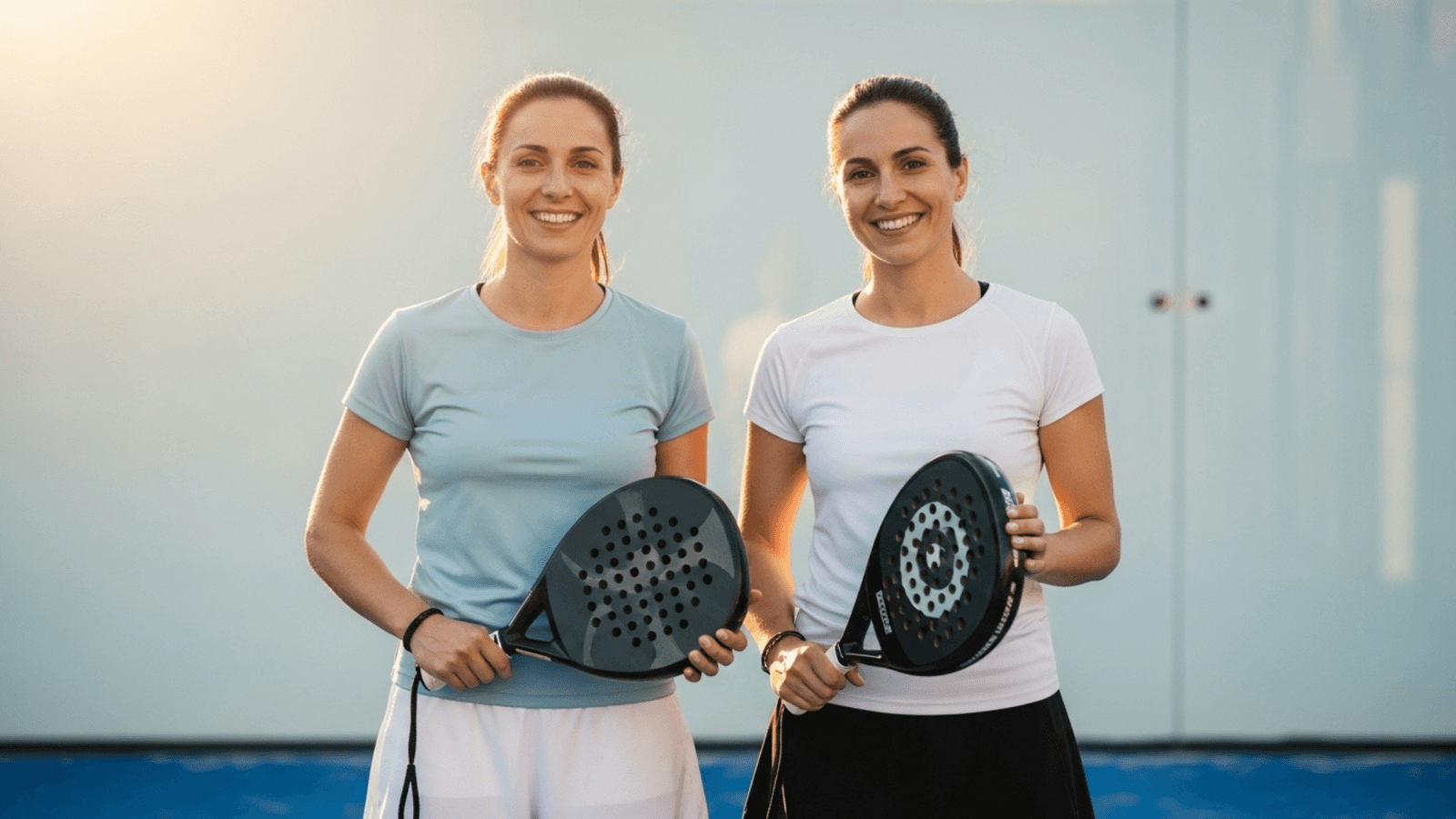
Adherence to an injury prevention programme and attention to detail are essential for ensuring that sports are practised safely and enjoyably.
Injury Prevention in Sports: Focus on Padel and Tennis
Racket sports such as padel and tennis have grown significantly in popularity in recent years due to their physical and mental health benefits. However, like any physical activity, these sports can lead to injuries — often caused by improper technique, lack of physical preparation or inadequate equipment.
This article explores effective strategies for injury prevention in padel and tennis, highlighting the importance of a holistic approach that includes warm-ups, muscle strengthening, correct technique and proper recovery.
Common Types of Injuries
Injuries in Padel
Padel, being a relatively recent sport, involves dynamic and rapid movements that can overload specific areas of the body. The most common injuries include:
Tennis elbow (lateral epicondylitis):
Inflammation of the tendons attached to the lateral epicondyle, caused by repetitive forearm rotation.
Ankle sprains:
Due to quick changes of direction and intense play on smaller courts.
Shoulder injuries:
Such as rotator cuff tendinitis caused by repetitive overhead movements.
Lower back injuries:
Often the result of sudden twists and rotational movements.
Injuries in Tennis
Tennis, being a more established sport, has a similar injury profile to padel, with some sport-specific variations:
Tennis elbow (lateral epicondylitis):
Highly common due to constant forearm rotation.
Carpal tunnel syndrome:
Compression of the median nerve in the wrist caused by excessive use of the dominant hand.
Knee injuries:
Such as patellar tendinitis due to constant impact and abrupt directional changes.
Shoulder issues:
Including bursitis or rotator cuff tendinitis from repeated serves and overhead shots.
Injury Prevention
Warm-Up and Stretching
A proper warm-up is essential to prepare muscles and joints for intense activity. It should include:
Light aerobic exercises:
Like light jogging or skipping to increase blood circulation.
Dynamic stretching:
Controlled movements that increase range of motion gradually, such as arm and leg swings.
At the end of the session, static stretching helps relax the muscles and prevent stiffness.
Holding each stretch for at least 30 seconds is effective for improving flexibility and reducing injury risk.
Muscle Strengthening
Strengthening the specific muscle groups used in padel and tennis helps prevent injuries by providing extra support to the joints. Recommended exercises include:
Core strengthening:
Planks, abdominal exercises and other core work help stabilise the spine and prevent lower-back injuries.
Shoulder and arm exercises:
Such as lateral raises and external rotations with elastic bands to strengthen the rotator cuff.
Leg exercises:
Squats, lunges and similar movements improve knee and ankle strength and stability.
Correct Technique
Incorrect technique is one of the main causes of injuries in padel and tennis. Learning and consistently practising proper technique is crucial:
Lessons with professionals:
Qualified instructors can correct improper posture and enhance stroke technique.
Video analysis:
Recording and analysing your movements can help identify and correct technical mistakes.
Proper Equipment
Using the right equipment makes a significant difference in injury prevention:
Rackets:
Choosing a racket that suits your skill level and playing style — with the correct string tension — reduces the risk of arm injuries.
Footwear:
Shoes specifically designed for padel or tennis provide the necessary support and grip for quick changes of direction.
Clothing:
Light, breathable sportswear helps maintain ideal body temperature and prevents discomfort during play.
Recovery and Rehabilitation
Proper recovery after matches is vital to prevent long-term injuries:
Rest:
Giving muscles enough time to recover between sessions is essential to avoid fatigue and overuse.
Massage and physiotherapy:
Massage techniques and physiotherapy treatments help relieve muscle tension and treat minor injuries before they become serious.
Ice and compression:
Applying ice to painful or inflamed areas reduces swelling. Compression bandages can also be helpful.
Specific Tips for Padel and Tennis
For Padel
Training on varied surfaces:
Playing on different court types improves adaptability and reduces surface-specific injury risks.
Focus on turning technique:
Learning how to rotate properly around the ball reduces pressure on knees and ankles.
For Tennis
Serve technique training:
Poorly executed serves are a leading cause of shoulder injuries. Focusing on correct serve mechanics prevents problems.
Variety of strokes:
Using different strokes and techniques prevents overloading the same muscles and joints repeatedly.
Conclusion
Preventing injuries in padel and tennis requires a multifaceted approach that includes proper physical preparation, correct technique, suitable equipment and effective recovery strategies.
By integrating these practices into your training routine, players can reduce injury risk while improving overall performance and longevity in the sport.
Attention to detail and commitment to an injury-prevention programme are essential for ensuring a safe, healthy and enjoyable sporting experience.